## The Office Problem
The Office Problem
Alexander McQueen at the office sounds like a contradiction. The house built on corsetry and raw-edged tailoring doesn't immediately suggest quarterly reviews or conference calls that should have been emails. But the work McQueen does now—under Sarah Burton's hand for the past fourteen years—has always understood structure as something other than armor. The tailoring breathes. The silhouettes move. And that matters when you're sitting in meetings from nine to four, then drinks at six.
The friction is this: you want to look like you take your work seriously without looking like work is all you take seriously. You want the room to register you when you walk in, but you don't want to spend the day explaining your clothes. McQueen offers a way through—pieces that hold their shape through a full day, that photograph well on Zoom but don't flatten in person, that let you move from desk to dinner without a costume change in the bathroom.
This is not about wearing the runway to the conference room. It's about finding the through-line between what McQueen does on the catwalk—sharp tailoring, unexpected proportion, a certain gothic elegance—and what actually functions when you're standing at the printer or taking the stairs because the elevator is slow again.
The Blazer
Start with the single-breasted wool blazer in black or deep navy. McQueen cuts these with a defined shoulder—not the padded linebacker shape of the Eighties, but a clean line that squares you off just enough. The waist is nipped but not strangled. Sleeves hit at the wrist bone, not past it. The fabric is a mid-weight worsted that doesn't wrinkle the moment you sit down.
What makes it McQueen and not Brooks Brothers is in the details: the lapel is slightly wider than you expect, the pockets sit a quarter-inch lower, the back vent is cut at an angle that changes the drape when you move. These aren't details anyone will name out loud, but they register. The blazer reads as tailored, not corporate. As considered, not default.
Pair it with trousers or a pencil skirt. Leave it open over a shell, or button it once at the natural waist. It works through four seasons if your office has functional air conditioning. If it doesn't, size up and wear it as a layer you can take off without the whole outfit collapsing.
The Trouser
McQueen's tailored trousers—the flat-front, high-waisted style in stretch wool—do what good trousers should: they make you forget you're wearing trousers. The rise sits just below the natural waist. The leg is straight through the hip and thigh, then tapers gently from knee to ankle. No pooling at the hem, no pulling at the zip.
The stretch is the important part. This is not the stiff suiting fabric your mother wore in 1987. The wool has give. You can cross your legs in a meeting without feeling the seams protest. You can take the subway stairs two at a time. The fabric returns to its shape after you've been sitting for three hours.
They come in black, navy, charcoal, and occasionally a dark olive that works better than you'd think. Hem them to hit at the ankle bone—no break, no flood. Wear them with a tucked shirt or a blazer that covers the waistband. They're not trying to be interesting. They're trying to be right.
The Knit
The fine-gauge merino crewneck. Long sleeves, ribbed cuffs, hits at the high hip. McQueen's version is cut closer than most—it skims rather than clings, follows the body without mapping it. The neckline sits flat against the collarbone. No gaping, no slouching.
This is the piece that carries you from September through May in any office that hasn't figured out consistent heating. Layer it under the blazer when the AC is aggressive. Wear it alone with the trousers when you're only doing internal meetings. The merino is fine enough to tuck if you want, substantial enough to leave untucked if you don't.
Colors: black, ivory, grey, navy. Occasionally a deep burgundy that photographs as near-black in low light. Avoid anything with visible branding. The McQueen you want at work is the McQueen no one has to squint to identify.
The Bag
The Jewelled Satchel in the small size. Structured leather, top handle, detachable shoulder strap, that signature knuckle clasp in aged gold or silver hardware. It holds a laptop, a notebook, a cosmetics case, and your phone without looking like you're carrying a weekend bag to a Tuesday.
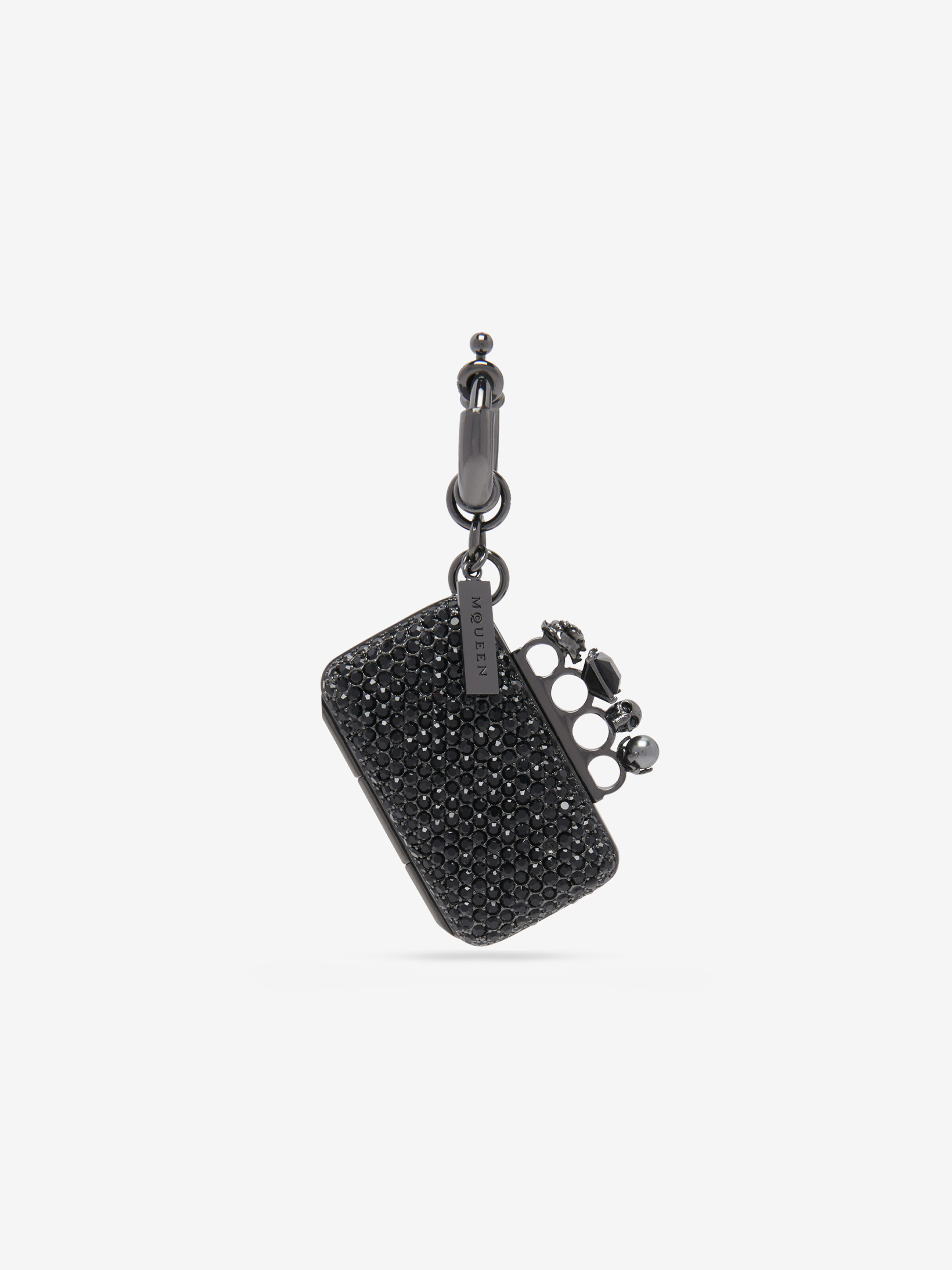
The hardware is where McQueen shows up most clearly—the knuckleduster clasp is unmistakable if you know, invisible if you don't. It's referential without being loud. The leather is smooth or grained, depending on season. It doesn't scratch easily. It doesn't sag after six months.
This is an investment in the most literal sense: you'll carry it for five years, maybe ten. It works with the tailoring. It works with denim on Friday. It doesn't work with anything actively sporty, but you're not wearing McQueen tailoring to SoulCycle anyway.
The Shoe
The block-heel pump in leather. Three-inch heel, almond toe, no platform. McQueen's version has a slightly lower vamp than most—it shows more of the foot, which lengthens the leg without requiring you to wear a stiletto you'll regret by noon.
The block heel is weight-bearing. You can walk twenty blocks in these if you need to. You can stand through a presentation. The leather is stiff when new, broken in after two weeks. Size up a half if you're between sizes—the toe box runs narrow.
Black is obvious. Navy works. Patent reads formal. Avoid anything with a strap or buckle—those details tip from office to occasion. Keep it clean. Keep it simple. Let the proportion do the work.
What Not to Do
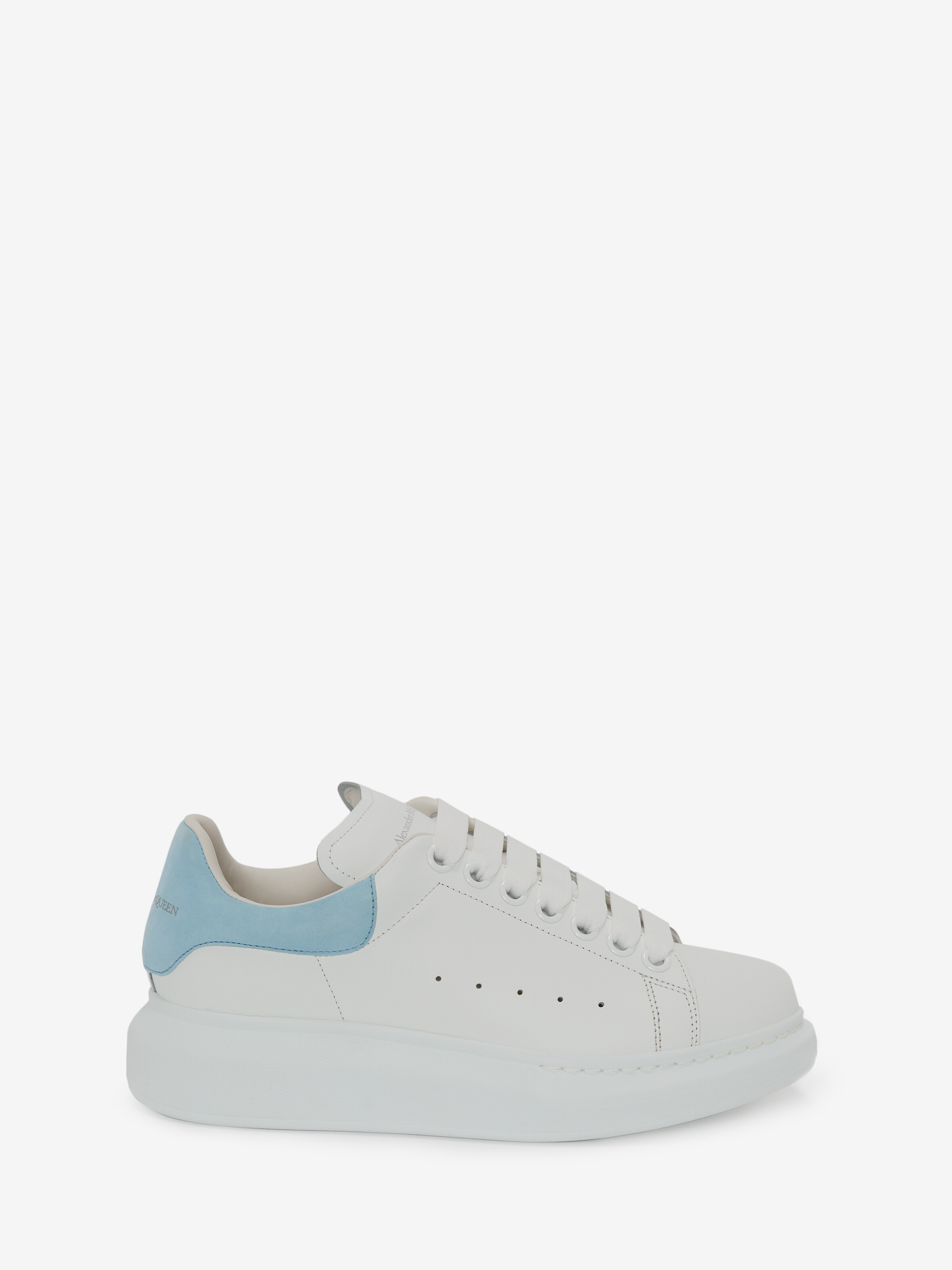
Don't wear the embroidered pieces to the office. Don't wear the lace. Don't wear the gowns or the capes or anything that appeared in a campaign image with wind machines and dry ice. Don't wear the sneakers with the tailoring—McQueen makes them, but they don't make sense here.
Don't mix more than two McQueen pieces in one outfit. The blazer and trousers, yes. The knit and the bag, fine. All four plus the shoes reads like you're trying to prove something, and the point of good workwear is that it doesn't require proof.
Don't explain your clothes unless someone asks directly. The goal is to look like you have taste and a salary, not like you're performing having taste and a salary. McQueen at work is about presence, not announcement. Get dressed, go to work, let the tailoring do what tailoring does. The rest takes care of itself.