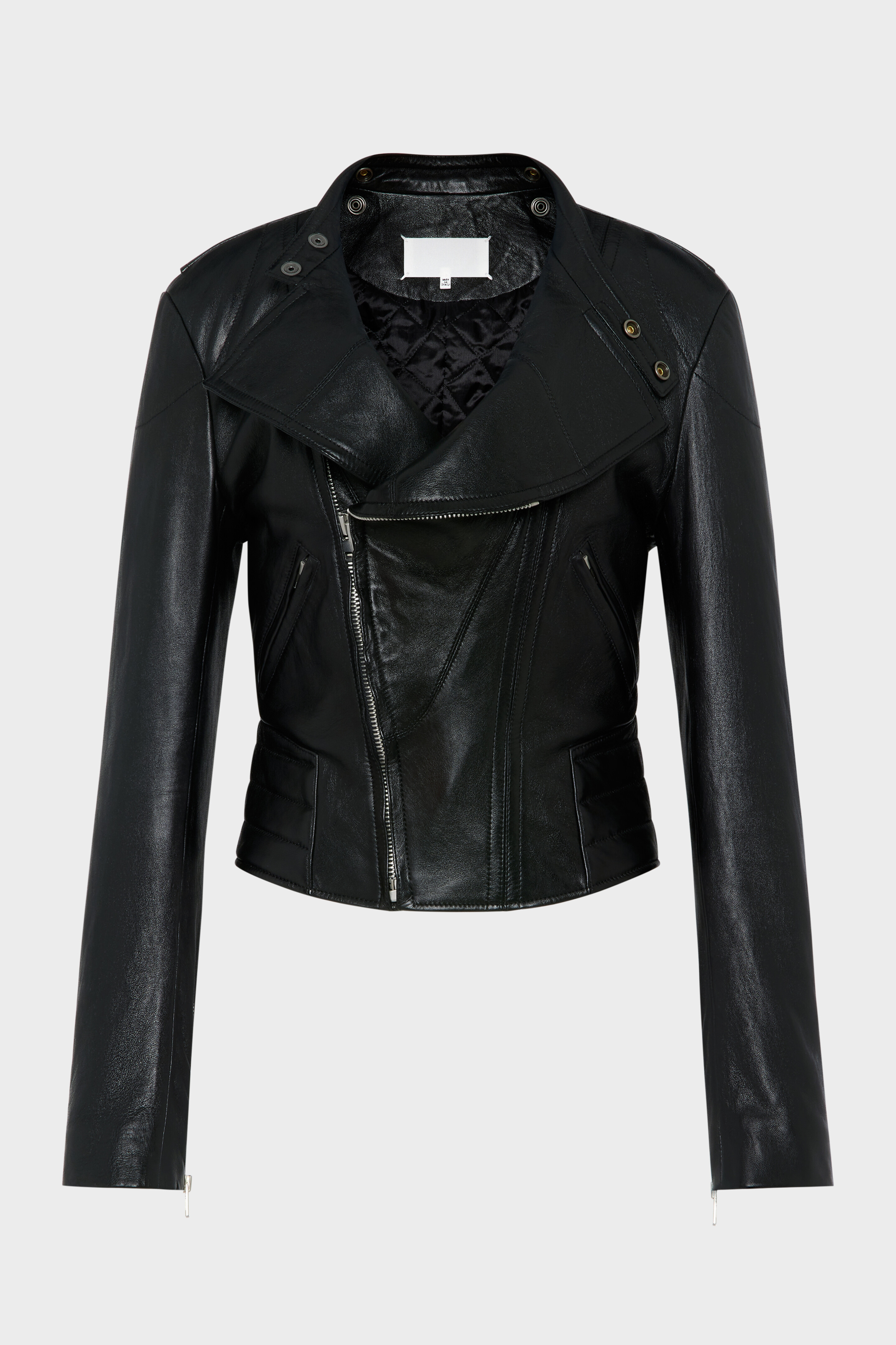
Maison Margiela is reissuing garments from 1988 to 2009
Maison Margiela is reissuing garments from 1988 to 2009. Not facsimiles. Not inspired-by. The actual archive, remade to original specifications, released in numbered drops since autumn of last year.
The first wave brought back the Tabi boot in its 1988 form—split toe, stacked leather heel, no compromise. The second included the 1997 sleeveless waistcoat with exposed seams turned outward, the construction made legible. The third: the 2001 oversized trench with inverted lapels and a sleeve that extends past the knuckle. Each piece carries a white label stitched inside. Four blank stitches where a logo would sit. The same detail from the original runs.
This is not nostalgia. It is something closer to retrieval.
What returns, and in what order
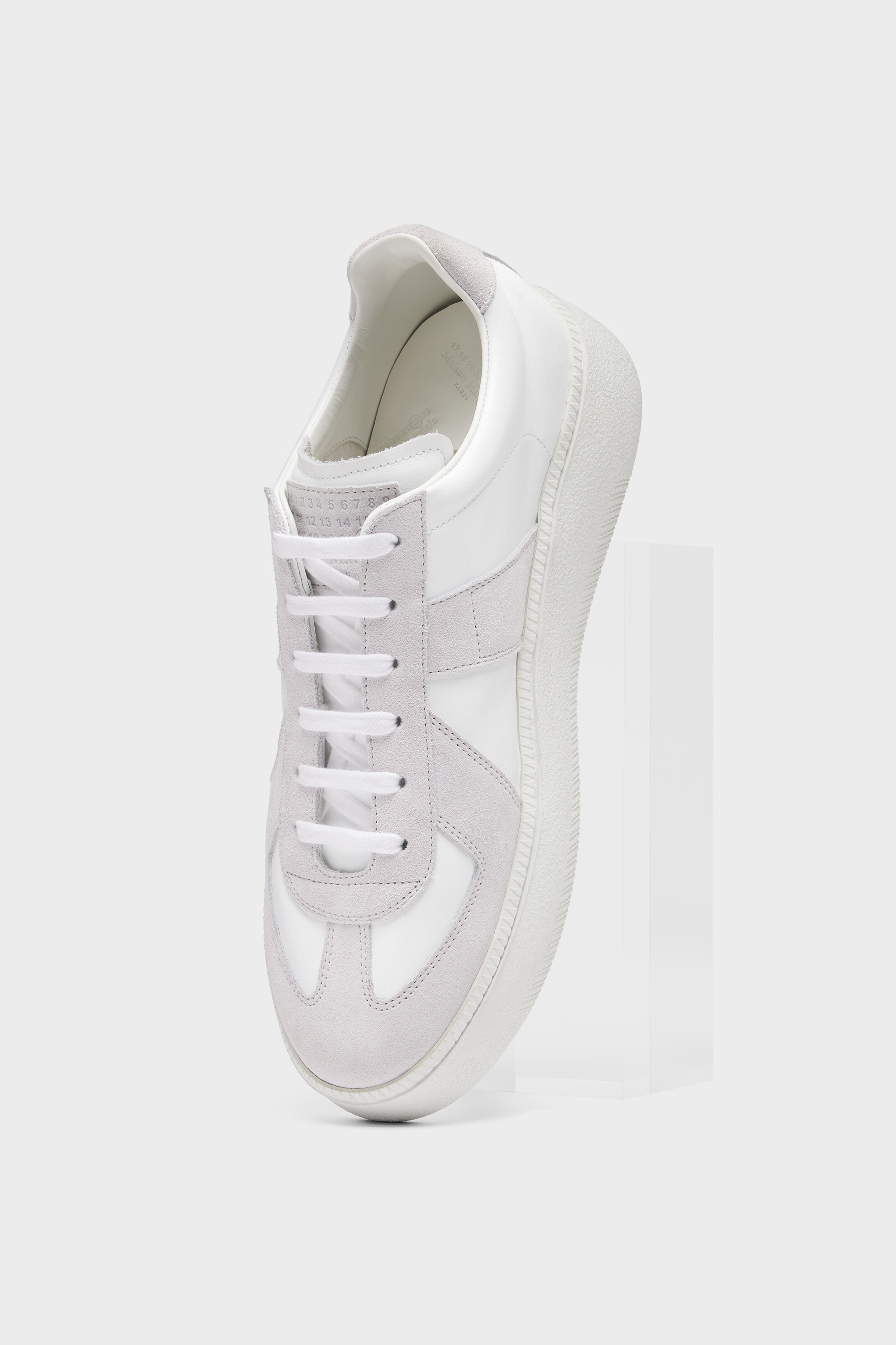
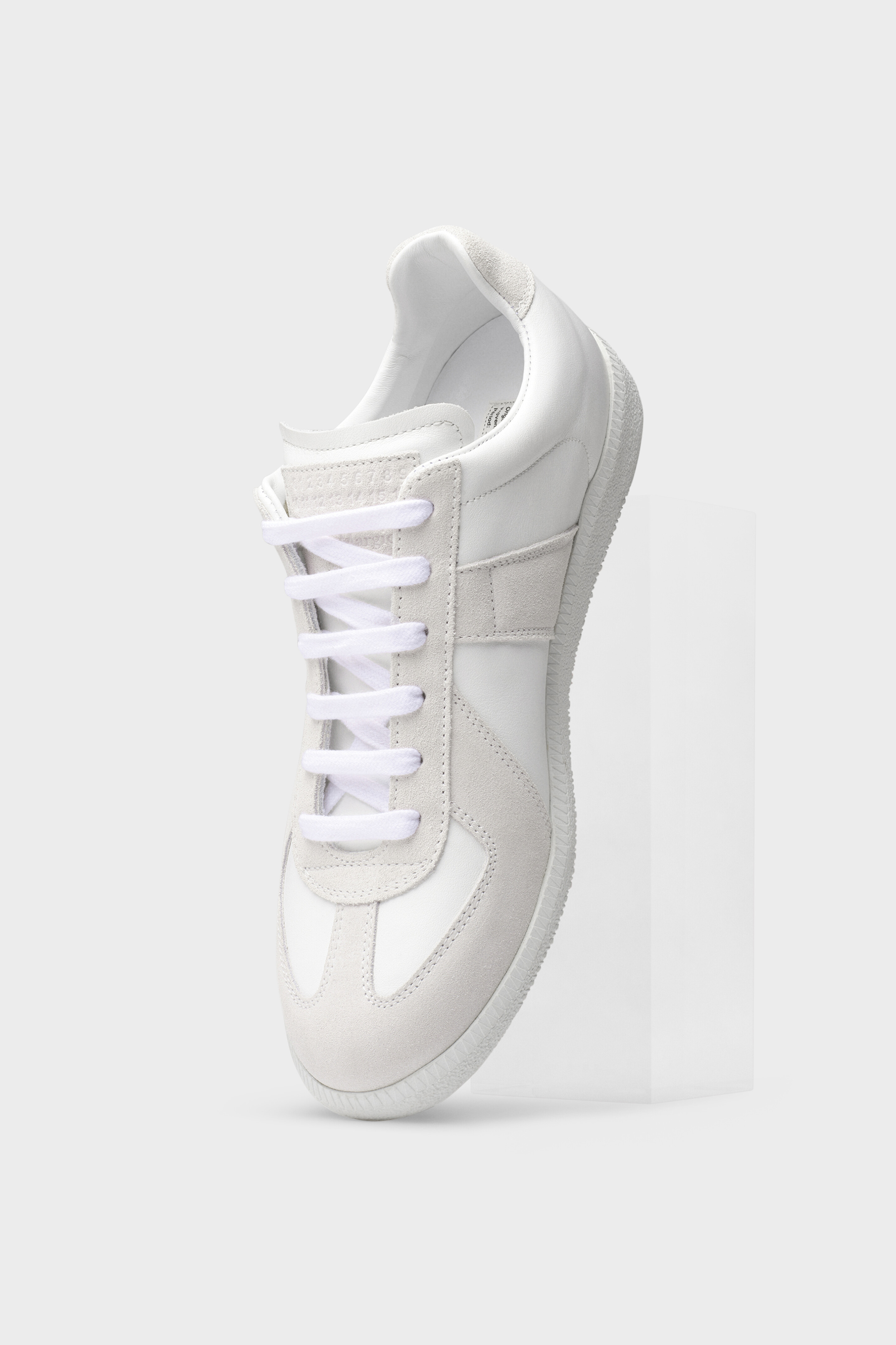
The selection follows no obvious commercial logic. Margiela has not led with the Replica sneaker or the most recognised silhouettes. Instead, the archive drops privilege garments that articulated a technique. The deconstructed blazer from spring 1989, seams exposed and shoulders unpadded, reappeared in November. The flat ankle boot from 1991—no heel, just a right-angled sole—shipped in January. The artisanal vest constructed from vintage scarves, originally shown in 1990, returned in March as part of a limited series of twelve.
Each piece is produced in Belgium, in the same ateliers that made the originals where those workshops still operate. Where they do not, the maison has contracted mills that hold the same machinery. The wool for the 1994 oversized pullover comes from the same Biella supplier. The leather for the Tabi is Italian, vegetable-tanned, weight and temper unchanged.
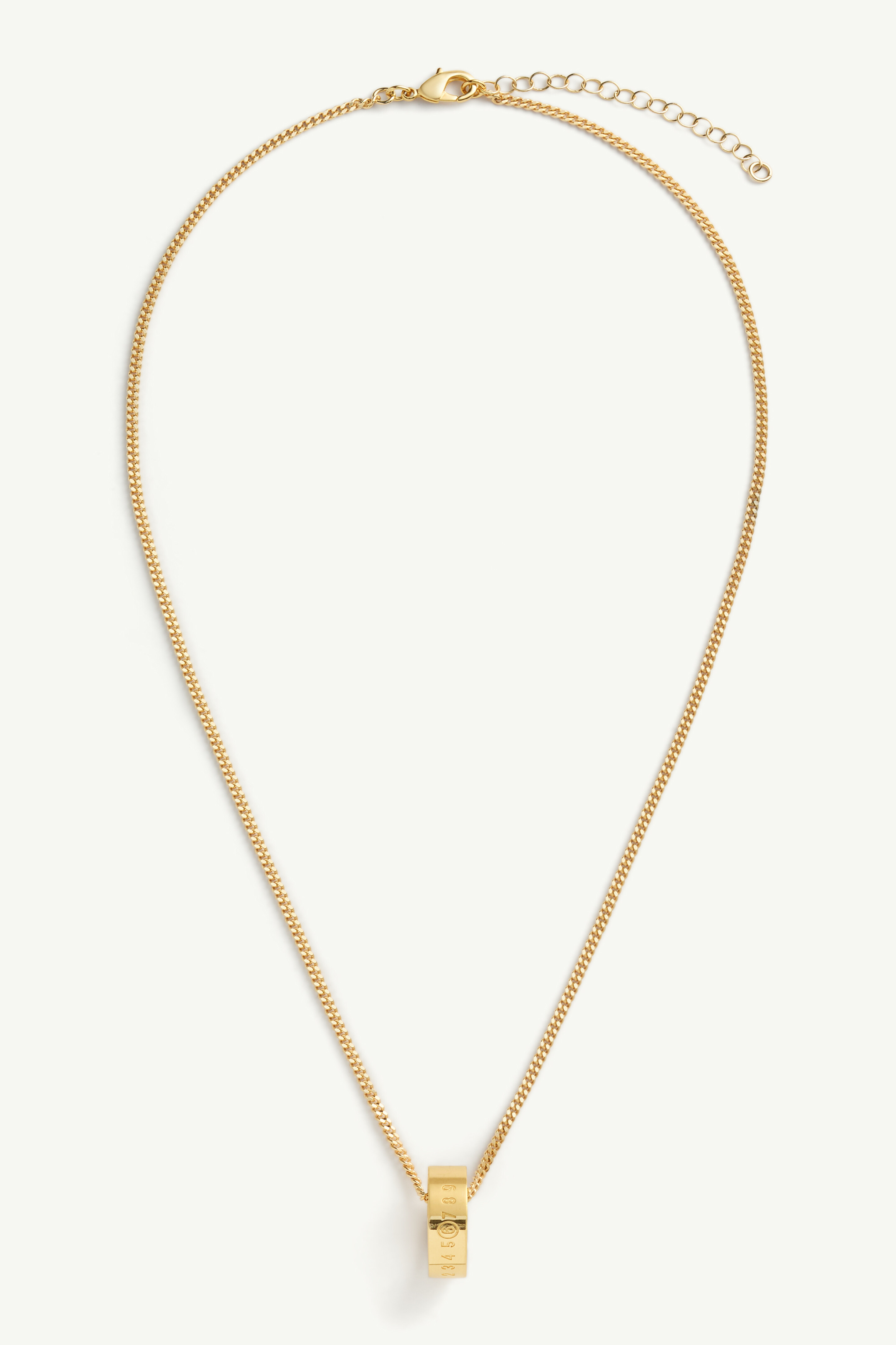
The numbering system is deliberate. Each garment receives a unique code that corresponds to its position in the original collection calendar. A coat from autumn-winter 1996 carries the code 96-AW-[item number]. This is not branding. It is an index.
Why the archive opens now
Maison Margiela has been under the creative direction of John Galliano since 2014. His work for the house is maximal, theatrical, rooted in transformation and spectacle. The archive reissues sit alongside his collections but do not resemble them. They share a building, not a vision.
The decision to open the archive came from the house itself, not from Galliano's atelier. It is a parallel programme. Galliano's haute couture continues on its own trajectory—prosthetics, trompe-l'œil, garments that remake the body. The archive pieces do the opposite. They ask the body to meet the garment where it is.
This is possible because Margiela's early work was not tied to a personality. Martin Margiela himself refused photographs, interviews, bows at the end of shows. The garments had to speak without a face attached. That anonymity allows the archive to function now as a separate enterprise. No cult of personality to manage. No auteur to compete with.
The market has also shifted. Vintage Margiela, particularly from the 1990s, has become difficult to source and expensive to acquire. A Tabi boot from 1989 in wearable condition lists for over €1,200 on resale platforms. The archive reissue retails for €890. It is cheaper to buy new from the archive than old from a dealer.
What it means to wear it
The archive pieces do not read as retro. They read as current because fashion has spent the last five years circling back toward construction, toward garments that acknowledge their own making. The exposed seam, the unfinished edge, the visible dart—these are no longer conceptual gestures. They are house style now, diffused across multiple labels.
But Margiela's archive holds a different position. It is not influence. It is source. The 1989 blazer with the lining worn on the outside is the reason other designers now show linings at all. The Tabi is the reason a split toe no longer surprises.
Wearing the archive now is not about referencing the past. It is about wearing the template before it became a template. The garment before it entered circulation as an idea.
The next twelve months
The archive will continue to release in drops through the end of this year. The maison has confirmed that pieces from the artisanal line—one-offs and limited runs made from reclaimed materials—will appear in the programme. These are garments that were never produced at scale. Their return will be numbered in units, not hundreds.
What this means for dressing: the archive offers a way to step out of the cycle. You are not wearing the latest iteration of a trend. You are wearing the garment that started it. That position is legible to a specific audience and invisible to everyone else. It is quiet in a way that most fashion is not.
To wear Margiela's archive for the next twelve months is to choose the original sentence over the translation.