## The Return of the Covered Shoulder
The Return of the Covered Shoulder
Valentino's autumn collection put the shoulder back under cloth. Not padded, not dropped, not cut away — covered. A long-sleeved coat worn over a long-sleeved dress over a long-sleeved knit. The shoulder seam sits where anatomy says it should, and the sleeve runs unbroken to the wrist. It's a shift you can measure in square inches of skin no longer on display, and it's the first time in four years that a major Roman house has sent this much fabric down the runway without apologising for it.
Two doors down the calendar, Chloé and Givenchy are doing something adjacent but not identical. All three are working in the same neighbourhood — daywear for women who show up to things — but the details split them apart.
Chloé's autumn lineup leaned into the same covered shoulder, but softened it with dropped hems and wide, loose cuffs that puddle slightly over the hand. Chemena Kamali has been rebuilding the house around a very specific kind of Parisienne pragmatism: clothes you can walk in, sit in, take the Métro in. The shoulder coverage here isn't about formality. It's about warmth. The fabrics — heavy crepe, brushed wool, occasionally a felted cashmere — do the work that layering used to. You're not adding a jacket because the blouse already has the weight of one.
Givenchy, by contrast, turned the covered shoulder into architecture. The sleeves at that house don't just cover — they structure. Set-in sleeves with a clean, narrow armscye. Tailored blazers where the shoulder extends maybe half a centimetre past the natural line, just enough to square off the silhouette without tipping into the eighties. The effect is sharpness. You notice the woman before you notice the garment, but when you do notice the garment, it's holding a line.
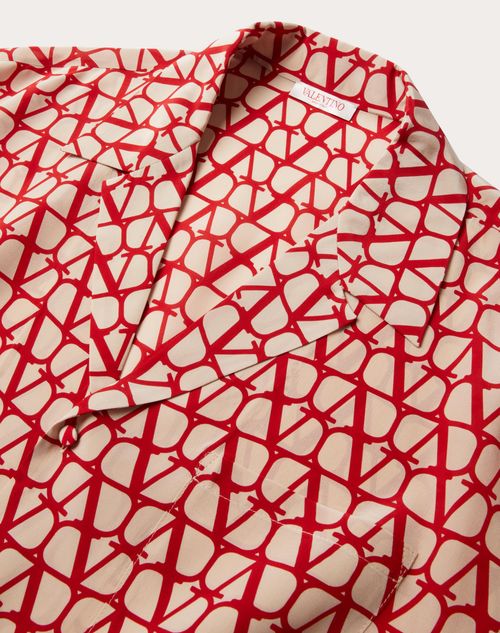
Valentino is doing neither of those things. The covered shoulder here isn't about warmth or architecture. It's about surface. Alessandro Michele has wrapped the body in enough cloth that you stop reading it as body and start reading it as textile. A velvet coat over a silk blouse over a knit underpinning, all in variants of the same dark red. The shoulder is covered because everything is covered, and the coverage becomes the point. It's not minimalism — there's too much happening in the trims, the bows, the occasional fur collar — but it's not excess either. It's density. Three seasons ago this house was showing skin at the collarbone, the wrist, the ankle. Now it's showing hem over hem over hem.
The differences come down to proportion and weight. Chloé is working in mid-weight fabrics with give. The sleeve can be long because it's not stiff. Givenchy is working in structure, so the sleeve has to be tailored or it reads as unfinished. Valentino is working in volume, and the sleeve becomes one more surface in a field of surfaces. All three have abandoned the bare shoulder and the cropped sleeve that defined the last four years, but they've replaced it with three separate ideas about what a sleeved garment should do.
This isn't about modesty. No one in the industry is using that word, and no one should. It's about boredom. The cut-out, the cold shoulder, the asymmetric strap — those moves aged out faster than anyone expected. By spring of last year, they looked like they were trying too hard. The covered shoulder is the correction, but it's also a return to a problem the industry has always been better at solving: how to make a sleeved garment interesting when you can't rely on showing skin.
Valentino is the most committed to the idea. Chloé is the most wearable. Givenchy is the most architectural. If you're dressing for the next twelve months, you're choosing between warmth, sharpness, and surface — and all three start at the shoulder.