The shoulder at Bottega Veneta is narrower than it was six months ago
The shoulder at Bottega Veneta is narrower than it was six months ago. Not dropped — narrower. The line runs closer to the body's actual edge, and the sleeve head sits flat. What looked wide and architectural in the spring of 2024 has contracted. The silhouette now is slim through the torso, with a shoulder that ends where the arm begins.
This showed first in the pre-fall lookbook. A single-breasted coat in charcoal wool had a shoulder width that read almost Edwardian: natural, sloped slightly forward, no padding at the cap. The effect was immediate. The coat looked like it belonged to someone who worked, not someone who performed work. Bottega Veneta has been moving in this direction since Matthieu Blazy took over in late 2021, but the shoulder is where that direction becomes legible to anyone watching the clothes move.
The fall 2024 collection made it explicit. Blazy sent out a series of leather jackets — not the oversized bombers that defined the house under Daniel Lee, but trim zip-fronts with sleeves set in close. The shoulder seam sat exactly on the shoulder bone. No overhang, no drama. One jacket in deep brown had a sleeve so narrow at the bicep that it read almost like shirting. The body was shaped, not boxy. When the model walked, the jacket moved with her, not around her.
This is a departure. Bottega Veneta spent the last three years building a silhouette that was wide, soft, and low. The Kalimero bag was round. The trousers pooled. The outerwear had volume that started at the shoulder and fell in a clean vertical. That silhouette sold well, and it photographed even better, but it has run its course. The new shoulder is a correction, or maybe just the next sentence.
What the shoulder does
A narrow shoulder changes the way a garment holds the body. It makes the waist visible again. It allows for a higher armhole, which in turn allows the arm to move without lifting the entire side seam. This is not about restriction — it is about precision. The spring 2025 men's collection showed this clearly. A double-breasted blazer in navy wool had a shoulder so clean it could have come from a Caraceni workroom in the 1950s. The lapels were wide, but the shoulder was not. The jacket tapered from chest to waist in a single line.
Blazy is not the only designer working this territory. The Row has been cutting narrow shoulders for years, and Lemaire's tailoring has always favoured a natural line. But Bottega Veneta is a house with scale, and when a house with scale shifts its shoulder, the rest of the market begins to shift six months later. We are in that six-month window now.
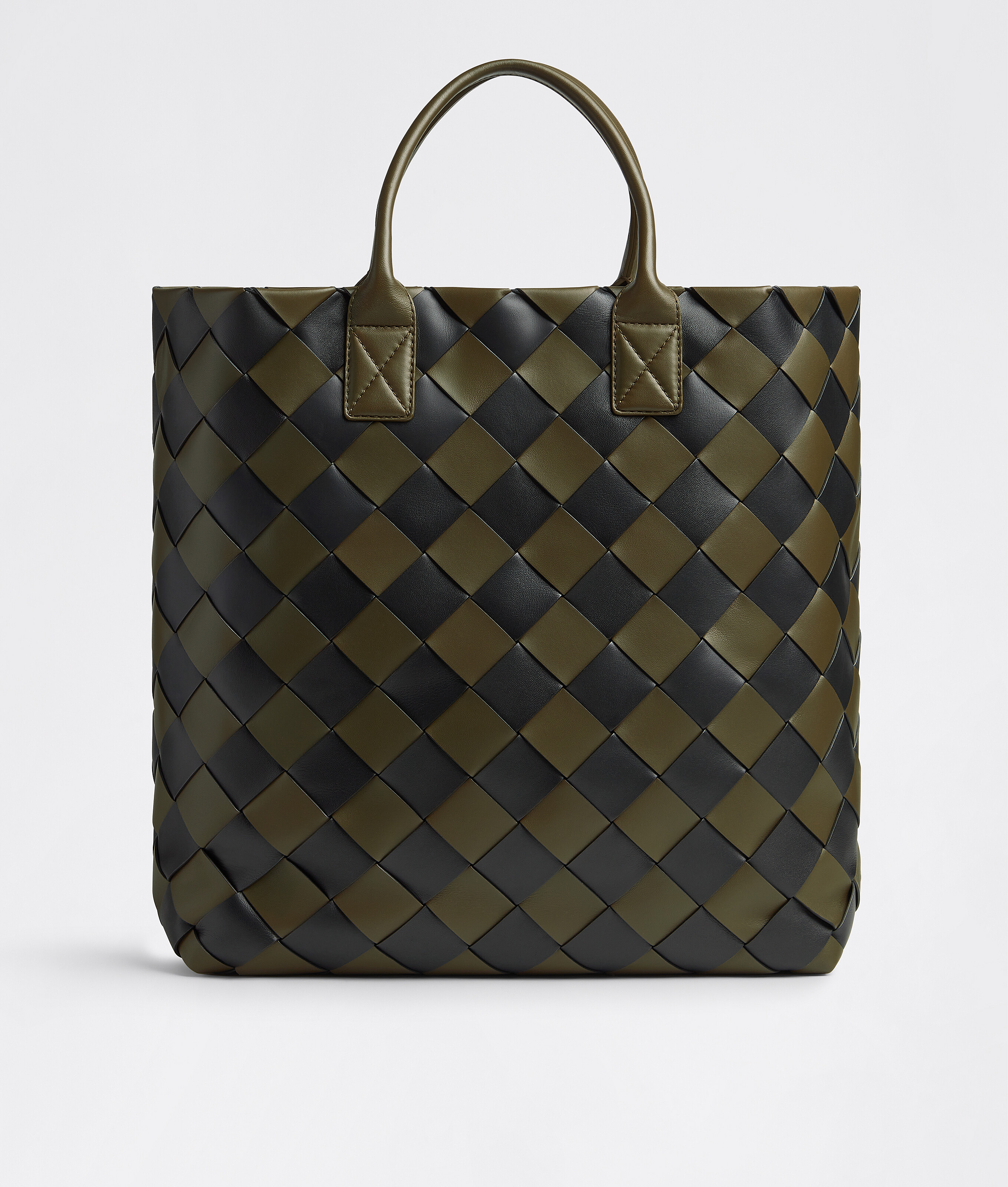
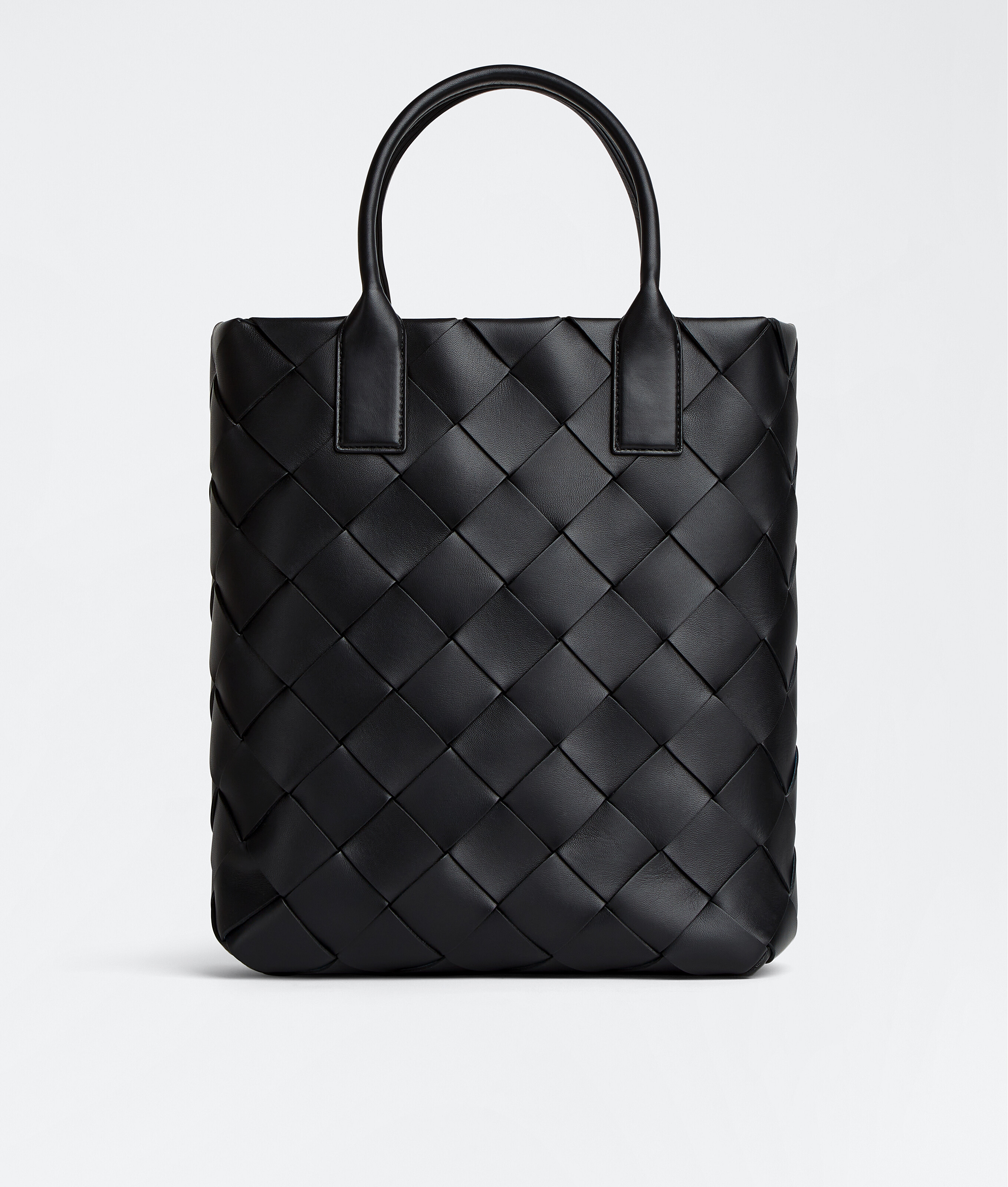
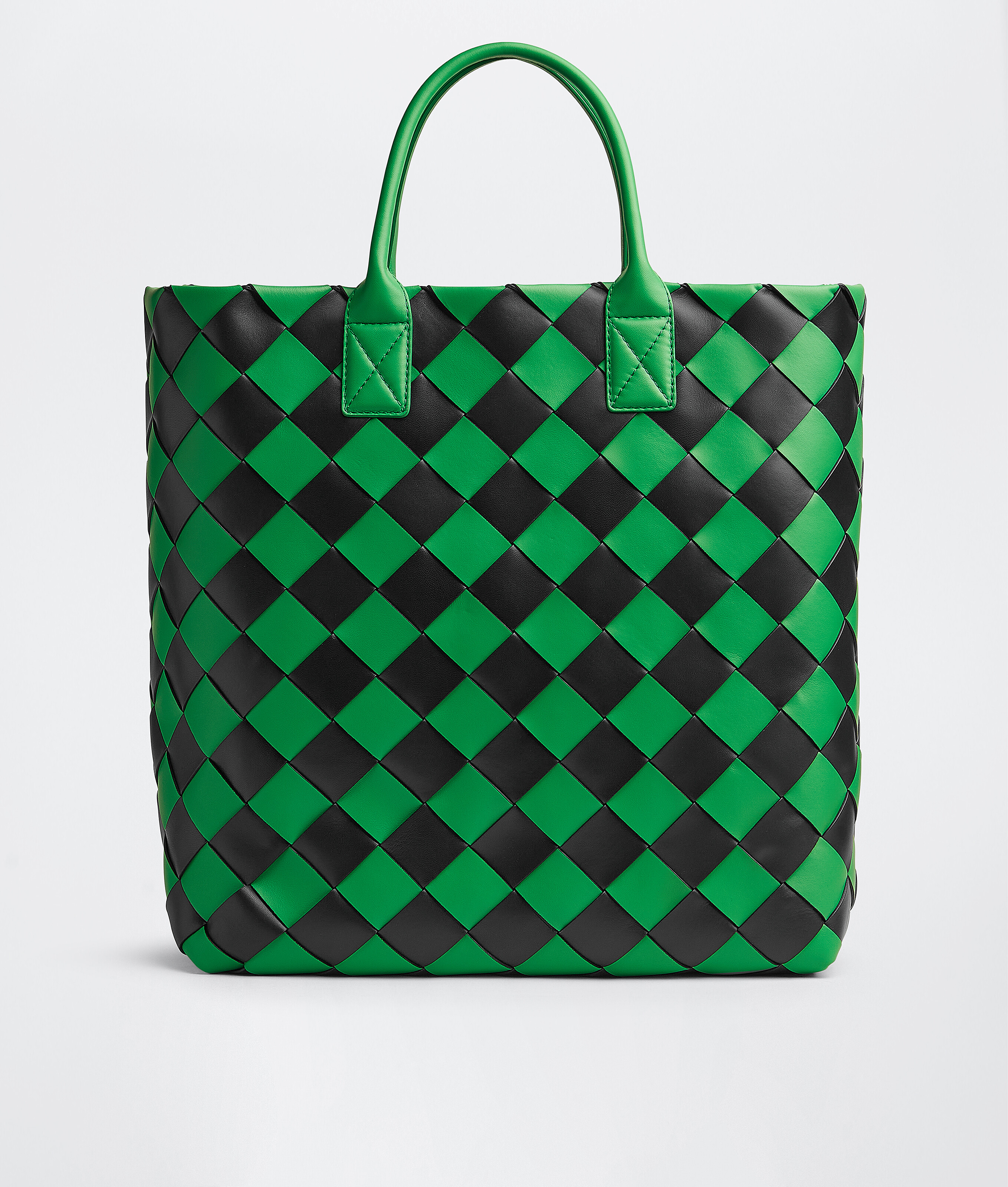
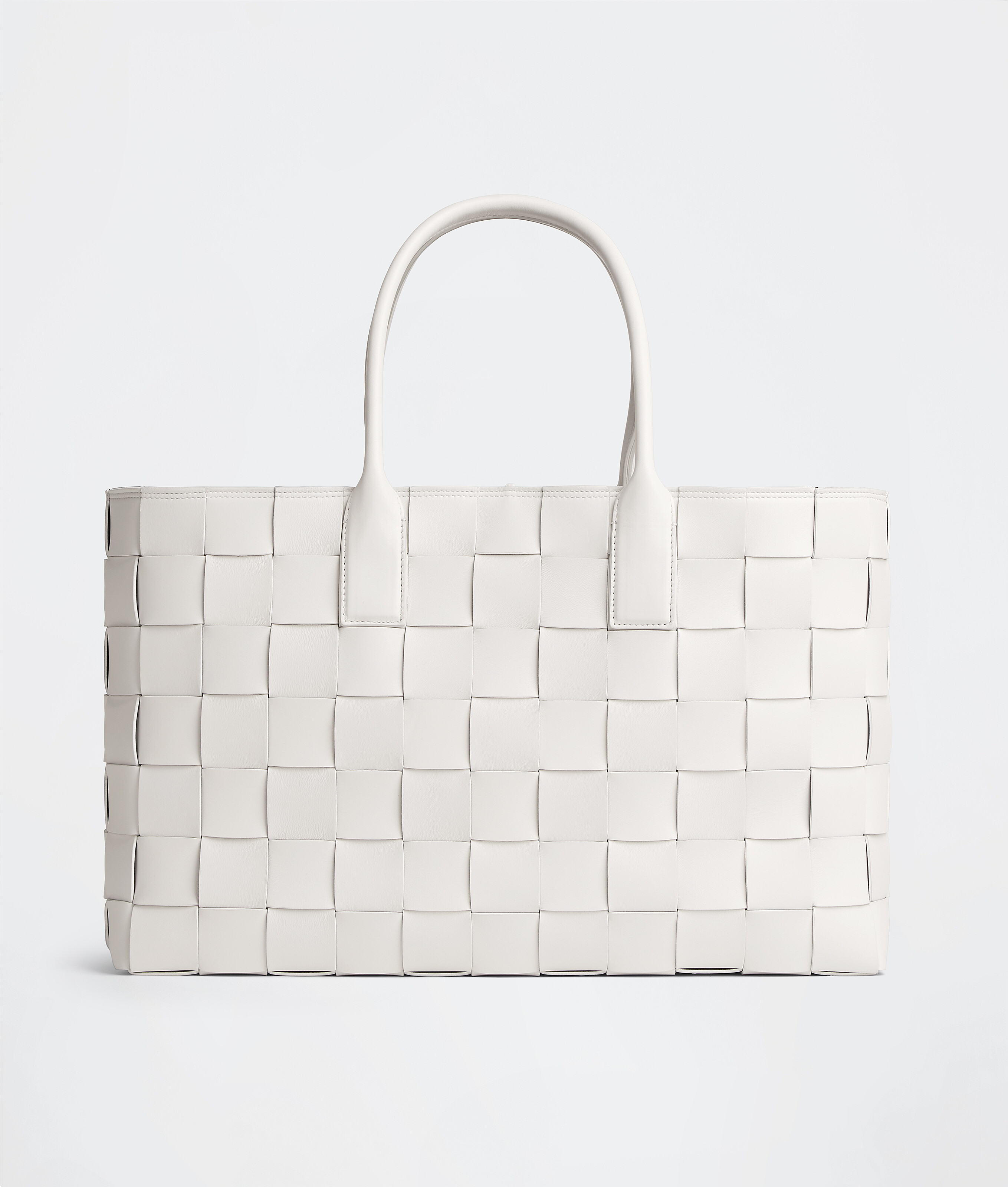
The accessories follow the same logic. The Andiamo bag, which launched in early 2024, is structured but not stiff. It has a top handle that sits close to the body when carried, and the proportions are compact. It does not fight the new shoulder — it completes it. The Gemelli boot, shown in the fall collection, has a shaft that ends mid-calf and a heel that is just tall enough to shift the wearer's centre of gravity forward. Both pieces work because they assume a silhouette that is upright and close.
What it asks of the wearer
A narrow shoulder requires a different posture. You cannot slouch into it the way you could with the wide, soft shapes of two seasons ago. The garment asks you to stand up, pull your shoulders back slightly, and occupy the space the clothes give you. This is not about formality — Blazy's clothes are too tactile, too worked, to read as formal. But it is about a kind of composure that has been absent from fashion for the better part of a decade.
The market will follow, because the market always follows Bottega Veneta when the house is moving with this much clarity. We will see narrower shoulders in the contemporary brands by spring. We will see them in the mass market by fall. The question is not whether the silhouette will spread, but whether it will be cut with the same attention to armhole and sleeve head and the small, invisible seams that make a shoulder work.
To dress in this for the next twelve months is to accept that the body has edges again, and that those edges are worth defining.