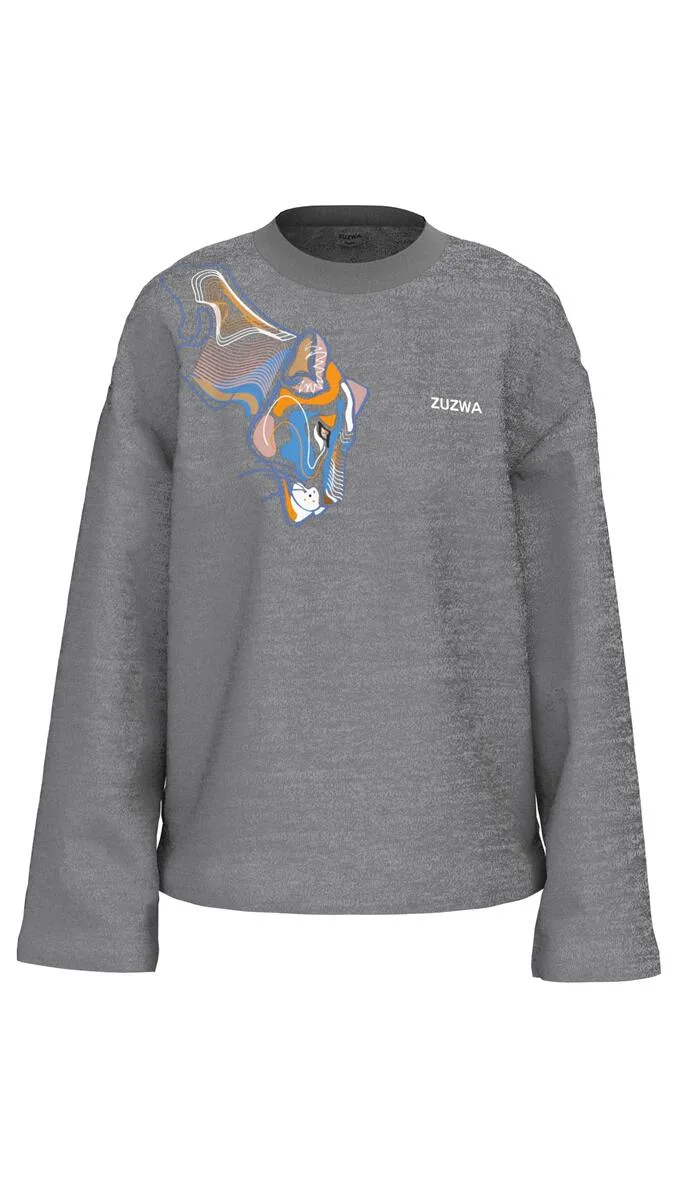
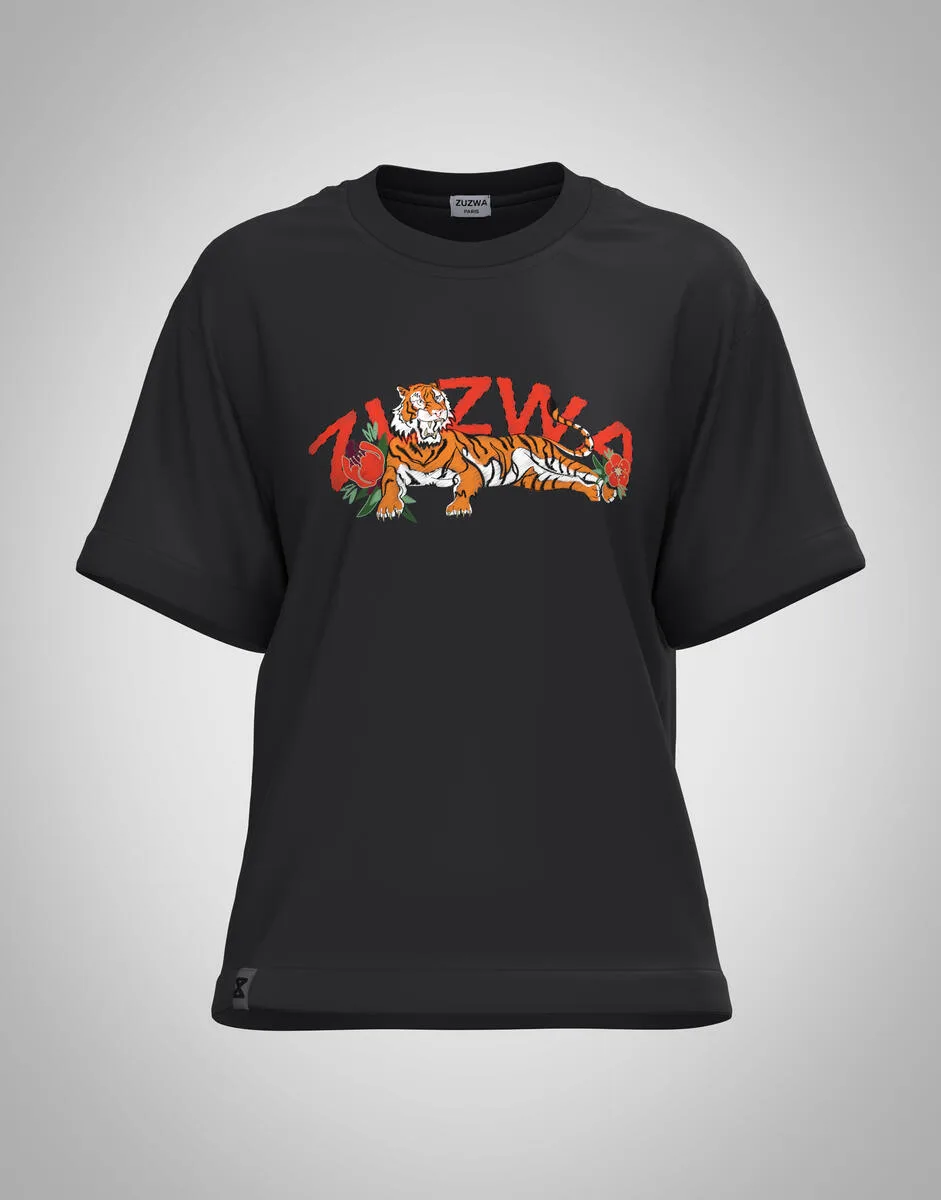
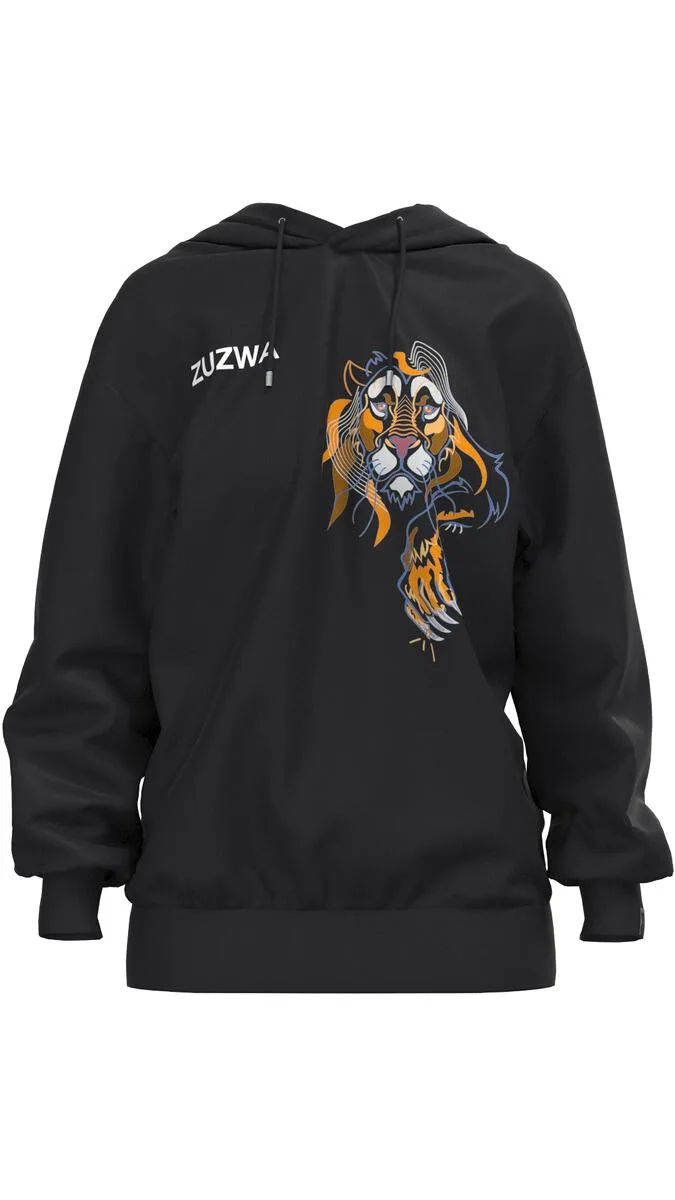
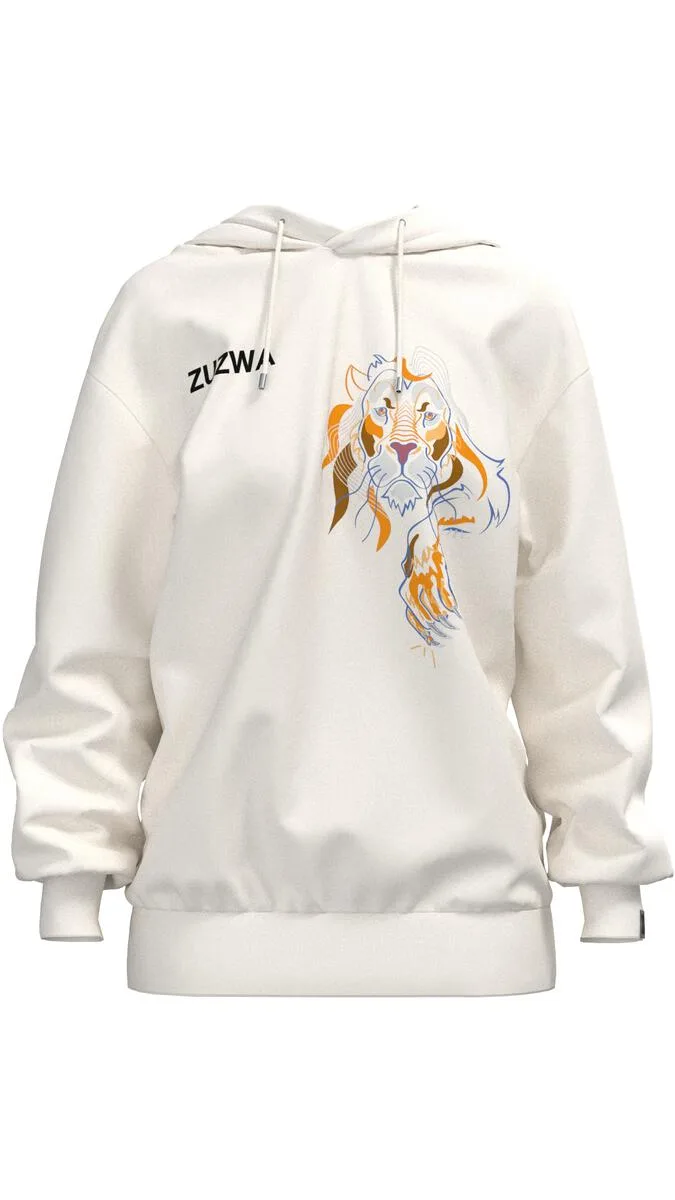
ZUZWA Against the Field
The long blazer is back, but not the one you wore in 2019. This version sits at mid-thigh, sometimes longer. The shoulder is natural or barely extended. The lapel is narrow, often peaked, and the button stance is high—second button at the true waist or just above. It showed at ZUZWA, at The Row, at Khaite. It is structured without stiffness, and it asks to be worn over narrow trousers or nothing but skin.
ZUZWA's autumn offering makes the case most clearly. The house sent a double-breasted blazer in charcoal wool down the runway with sleeves that grazed the base of the thumb. No cuff. The body was cut long enough to cover the hip entirely, and the silhouette read as a single unbroken line from collarbone to knee. Paired with a slim black trouser in the same weight of cloth, the effect was monastic. This is tailoring that does not perform. It simply is.
The Row has been working this territory for three seasons, but their interpretation leans softer. Their blazers from the most recent collection used wool crepe instead of worsted suiting, and the result was a jacket that moved with the body rather than holding it in place. The shoulders were set in, not built up. The hem fell just past the widest part of the hip. Worn open over a ribbed tank and wide-leg trouser, the blazer became a layer rather than a statement. It was elegant in the way that well-made furniture is elegant—present but not insistent.
Khaite's version, by contrast, sharpened the line. Their blazers this season came in black wool gabardine with a faint sheen, cut with a defined waist and a longer skirt that flared slightly at the hem. The effect was more architectural than The Row, more declarative than ZUZWA. The styling leaned into contrast: the blazer over a sheer slip dress, or over nothing, worn as a dress itself with the sleeves pushed to the elbow. It was tailoring as evening wear, which is a different conversation.
What separates ZUZWA from both is restraint. Where Khaite leans into drama and The Row into ease, ZUZWA holds the centre. The blazers are not styled to provoke. They are worn with matching trousers, with flat shoes, with shirts buttoned to the collar. The palette is narrow—charcoal, navy, black, occasionally a deep brown. There is no print, no texture beyond the weave of the cloth itself. The only variation is in the cut: single-breasted versus double, one button versus two, a straight hem versus a subtle curve at the side seam.
This is not minimalism as aesthetic. It is reduction as discipline. ZUZWA's tailoring does not ask you to look at it. It asks you to inhabit it. The blazers are made to be worn five days a week, to be pressed and hung and worn again. The seams are finished with the same care on the inside as the outside. The buttonholes are hand-worked. The lining is Bemberg, which breathes. These are garments built for use, not for display.
The broader trend—this return to the long blazer, to tailoring that covers rather than reveals—speaks to a shift in how formality is read. For the last several seasons, structure lived in the waist: corsetry, belt details, cuts that cinched and released. Now structure has moved to the shoulder and the sleeve. The body is implied, not outlined. The blazer does the work of signalling seriousness without requiring anything else. You can wear it over denim. You can wear it as a dress. The formality is in the garment, not the occasion.
To dress in this for the next twelve months is to choose clarity over decoration, to let the cut speak before the styling does.